×

Manufacturing automation

Manufacturing Automation

Manufacturing automation refers to the use of control systems, software, and technologies to streamline and optimize production processes—improving efficiency, productivity and quality while reducing costs and human intervention.

High

Efficiency

Better

Quality

Smart

Automation

Key aspects & technologies

Manufacturing automation is continually evolving with robotics, AI, IoT, and emerging technologies—driving greater efficiency, flexibility, and competitiveness in the sector.

Built for smart factories

Scalable automation solutions for industrial production, warehouse operations, and connected supply chains.
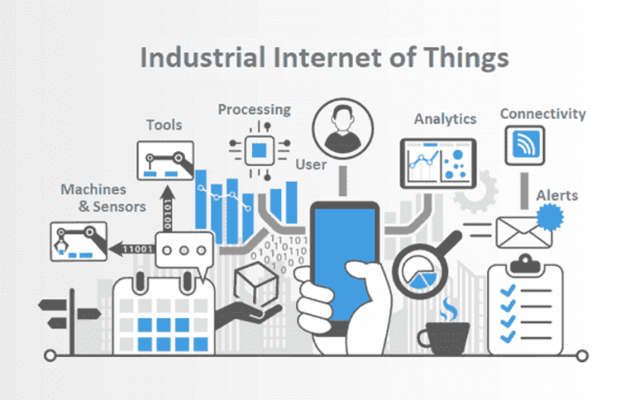
Industrial Internet of Things (IIoT)
01

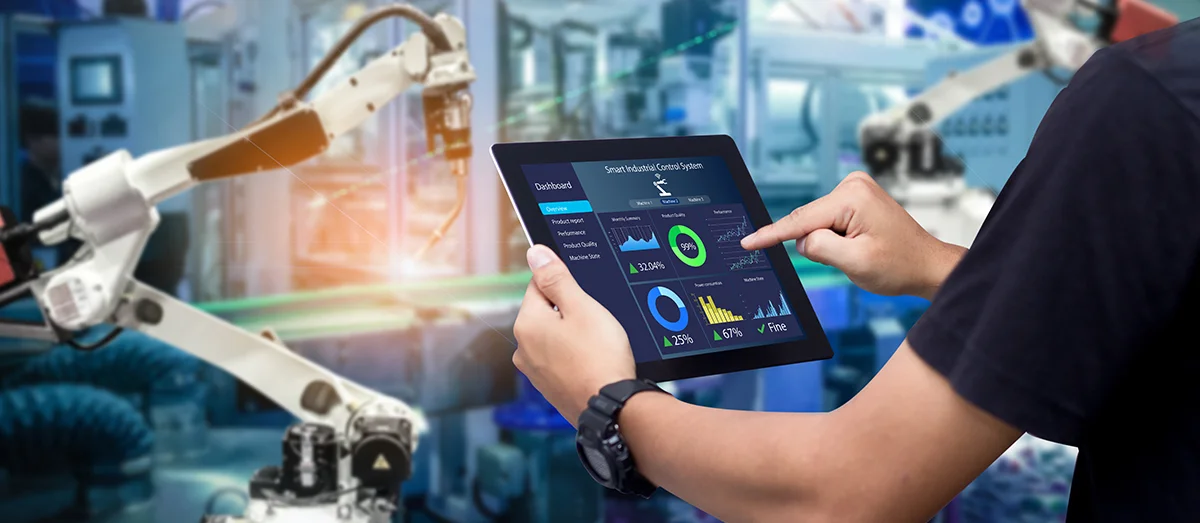
Industrial Internet of Things (IIoT)

  • IIoT connects machinery, sensors and devices to collect and exchange real-time data. This improves process optimization, predictive maintenance and overall efficiency.
AI & ML
02

Artificial Intelligence (AI) & Machine Learning (ML)

  • AI/ML helps in predictive maintenance, quality control, demand forecasting and process optimization—enabling data-driven decisions and adaptability.
AGVs
03

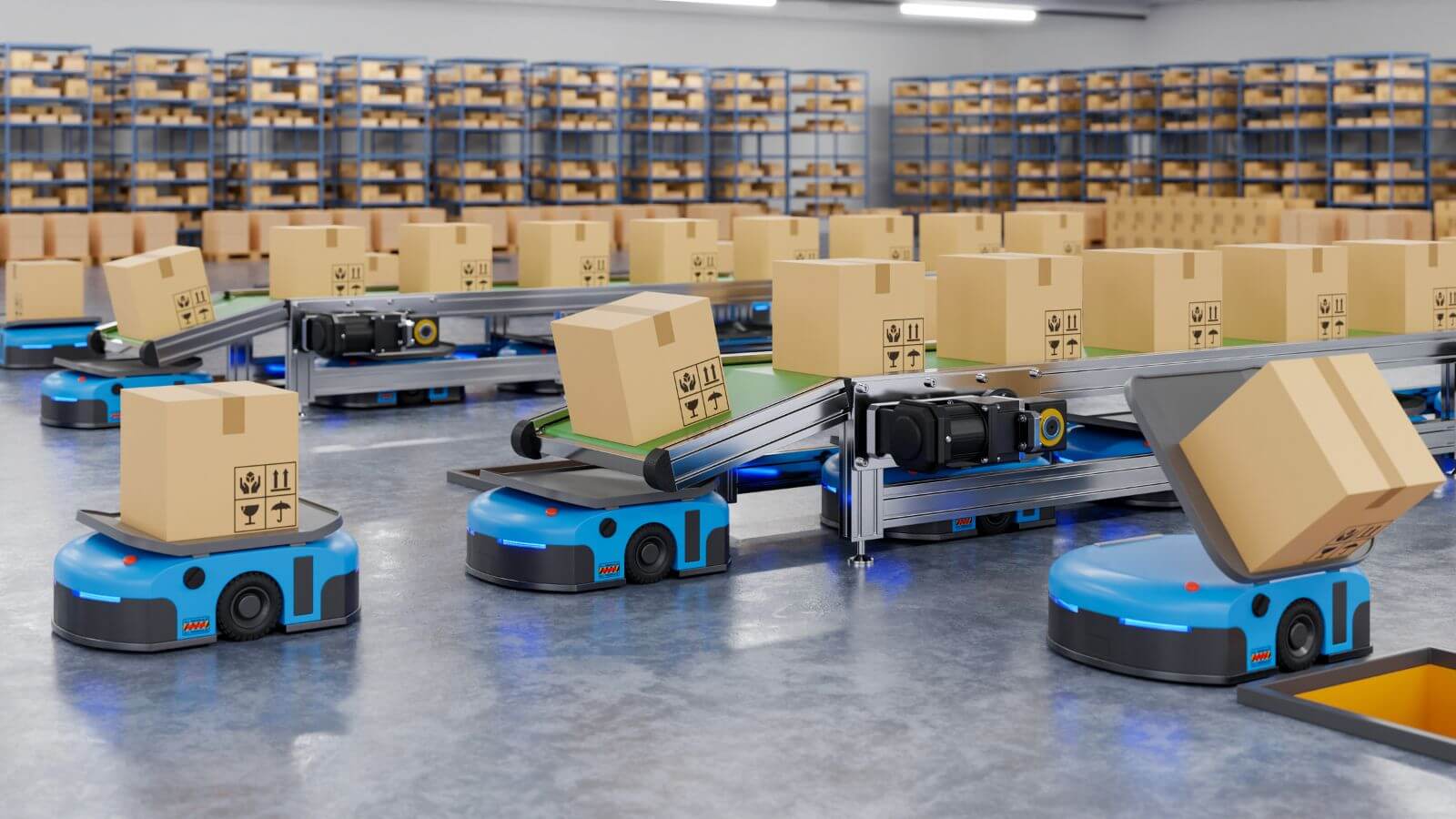
Automated Guided Vehicles (AGVs)

  • AGVs are autonomous vehicles for material handling and transportation within facilities, navigating predefined routes and moving goods between workstations and storage.
Warehouse Automation
04

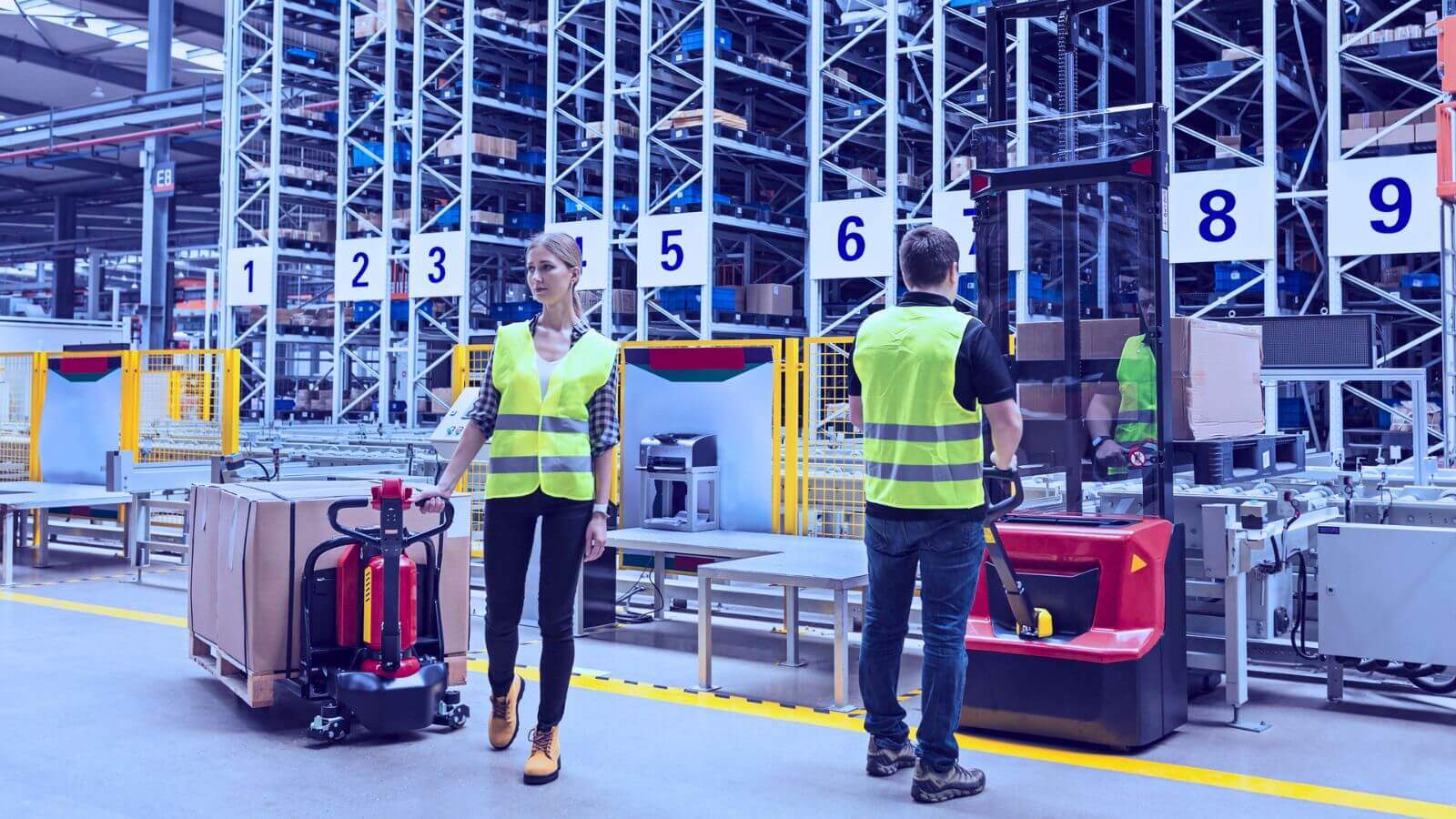
Warehouse Automation

  • Automated storage/retrieval systems, conveyors and robotic picking improve inventory management, order fulfillment and logistics operations.
Digital Twin
05

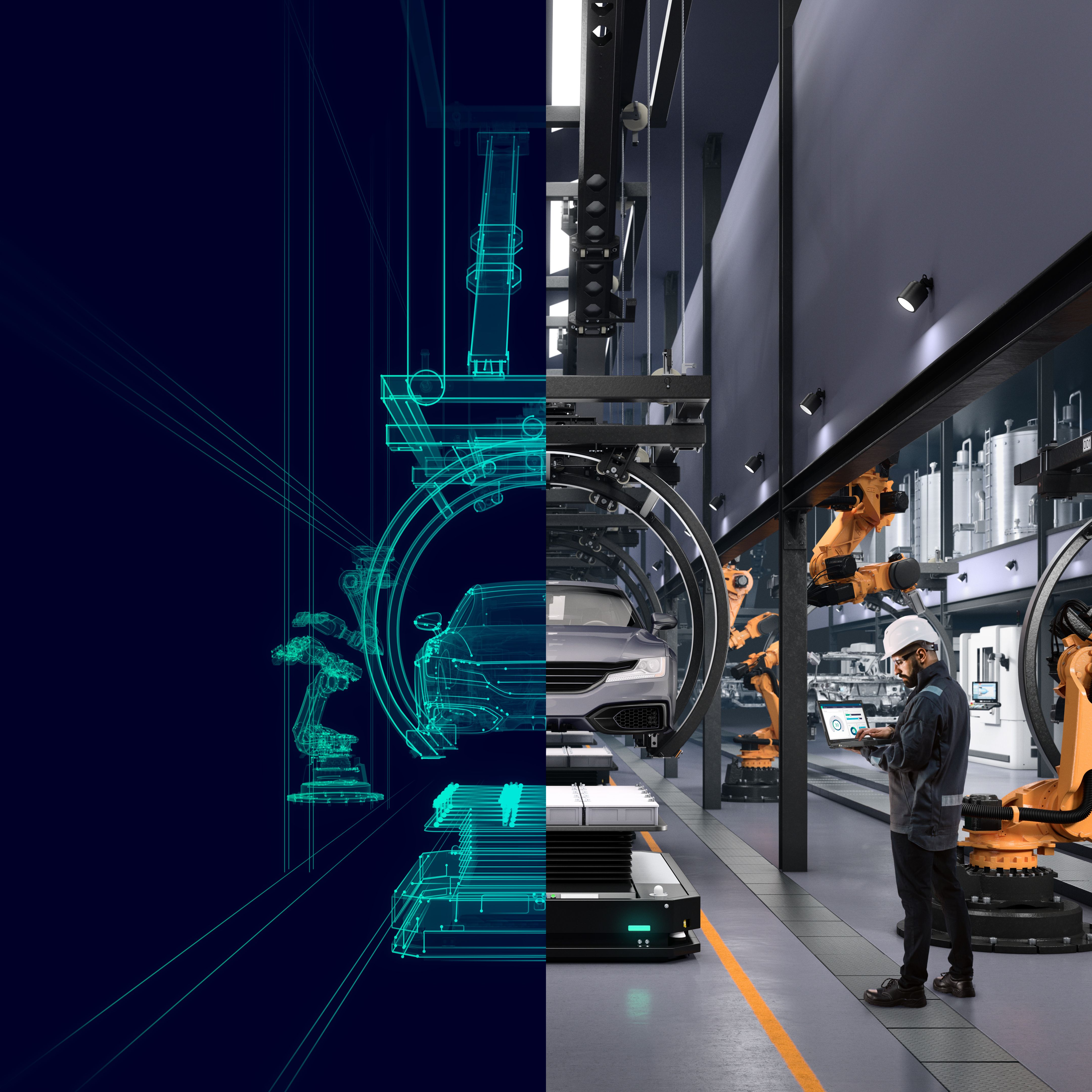
Digital Twin

  • A digital twin is a virtual replica of a manufacturing system or product enabling simulation, monitoring and optimization—reducing downtime and improving performance.
Supply Chain Automation
06

Supply Chain Automation

  • Supply Chain Integration: Improve logistics, procurement and inventory management.
  • Material Handling Automation: Increase efficiency and reduce manual intervention.